Food Trends Fhthopefood: The Future of Healthy, Sustainable, and Flavorful Eating
Introduction
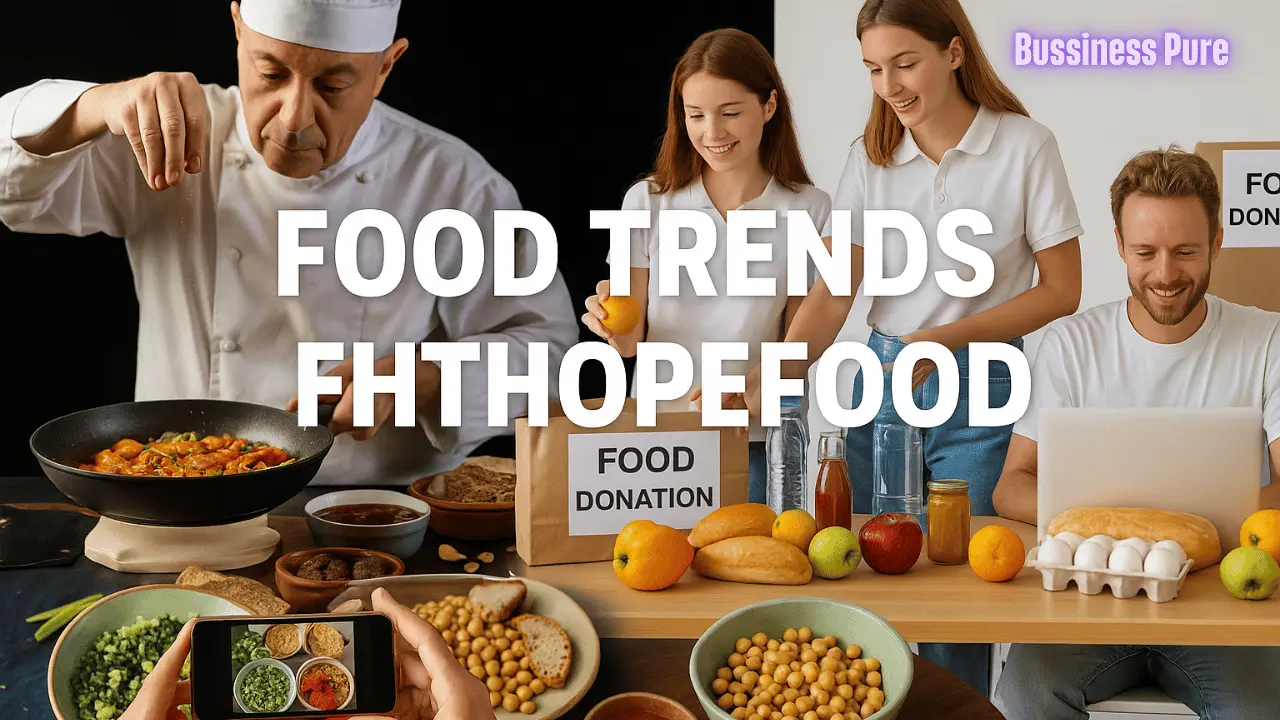
The world of food is evolving faster than ever before. From wellness-driven meals to eco-friendly eating, every plate tells a story about health, culture, and sustainability. The term food trends fhthopefood represents this new wave of modern dining — where flavor, technology, and conscious choices come together.
In this article, we’ll explore what this keyword truly means, why these trends are rising, and how they shape the way we cook, eat, and live today.
What Does food trends fhthopefood Really Mean?
The phrase food trends fhthopefood blends the concept of food innovation with hope for the future of food systems. It refers to the modern evolution of how people view eating — not only for taste but for health, environment, and emotional well-being.
In simple terms, food trends fhthopefood describes a global shift toward smarter, cleaner, and more responsible eating. It covers everything from plant-forward dishes and sustainable sourcing to digital influence and mindful nutrition.
These trends emphasize:
- Eating for long-term health rather than instant satisfaction
- Reducing waste and protecting the planet through food choices
- Using food as a source of creativity, comfort, and connection
Key Drivers Behind Modern Food Trends
Several social and technological changes are transforming global food habits. Understanding these drivers helps explain why food trends fhthopefood has gained so much attention worldwide.
Health and Wellness Awareness
Consumers are more health-conscious than ever. They look for foods that boost immunity, support gut health, and provide natural energy. Functional foods — such as fermented drinks, whole grains, and antioxidant-rich snacks — are becoming everyday staples.
Sustainability and Eco-Conscious Living
Climate awareness is changing how people shop and eat. Local, seasonal, and low-impact ingredients are in demand. Restaurants and home cooks are reducing food waste and embracing reusable packaging to create a more sustainable ecosystem.
Influence of Technology and Social Media
Digital platforms like Instagram and TikTok have made food trends viral in seconds. A creative recipe or visual dish can reach millions overnight. This fast-paced online culture is one of the biggest engines of food trends fhthopefood today.
Cultural Curiosity and Global Flavours
People are experimenting with diverse cuisines. Fusion recipes blend techniques from around the world — for example, pairing Asian spices with Mediterranean ingredients or adding tropical fruits to traditional recipes.
The Rise of Plant-Forward Eating
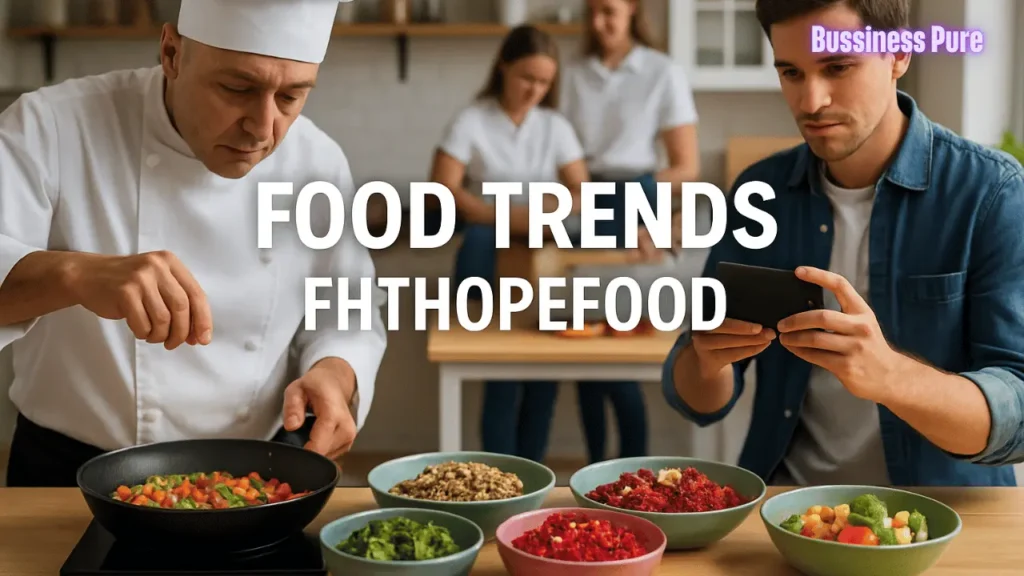
A major part of food trends fhthopefood is the plant-forward movement. Instead of completely eliminating meat, people are focusing on vegetables, legumes, and mushrooms as main ingredients.
Chefs are highlighting the natural flavors of plants rather than using them only as sides. Mushrooms, lentils, and beans are replacing meat in curries, burgers, and wraps, making meals both nutritious and affordable.
Plant-forward eating isn’t just a diet choice — it’s a lifestyle that promotes balance, creativity, and sustainability.
Functional Foods and Mindful Nutrition
Another essential component of food trends fhthopefood is the rise of functional and mindful eating. People now look at food as a form of natural medicine.
Examples include:
- Yogurt and fermented drinks for better digestion
- Seeds, nuts, and herbs for heart health
- Whole grains and natural sugars for sustained energy
Mindful eating also means paying attention to portion sizes, eating slowly, and appreciating the process of cooking. This simple shift in awareness improves both physical and mental well-being.
Sustainability and Local Sourcing
Sustainability has become a global priority. Farmers, restaurants, and consumers are all rethinking where food comes from.
Supporting local producers not only strengthens communities but also reduces the carbon footprint caused by long-distance shipping. Seasonal cooking — using what grows naturally in your region — ensures freshness, flavor, and affordability.
These eco-friendly habits form the backbone of food trends fhthopefood, reminding everyone that healthy eating starts with caring for the planet.
Social Media and the Speed of Food Trends
The role of social media in shaping modern eating cannot be ignored. Viral recipes, short videos, and “food challenges” spread rapidly, inspiring millions to try something new.
While not every viral trend lasts, the exposure helps introduce new ingredients and ideas to global audiences. Smart content creators use this momentum to educate followers about sustainable, healthy choices — keeping food trends fhthopefood relevant and responsible.
How to Apply These Food Trends at Home
Adopting these trends doesn’t require expensive ingredients or professional skills. Start with simple actions:
- Cook one plant-forward meal each week
- Buy fresh produce from local markets
- Try fermented foods or homemade pickles
- Recreate global flavors using local spices
- Reduce single-use plastics and food waste
These small, consistent steps align everyday life with the values behind food trends fhthopefood, creating a meaningful and sustainable food routine.
The Future of Food and Culture
The future of food will depend on balance — between health and indulgence, tradition and innovation, local and global. The food trends fhthopefood movement represents optimism for a world where food nourishes both people and the planet.
By focusing on plant-forward meals, functional nutrition, and responsible sourcing, we can build a food culture that’s inclusive, flavorful, and forward-looking.
FAQs About Food Trends fhthopefood
1. What is the main idea behind food trends fhthopefood?
It represents the global transformation of eating habits — combining health, sustainability, innovation, and social connection in one movement.
2. How can I follow food trends fhthopefood at home?
Start by cooking plant-based dishes, buying local produce, and choosing ingredients that support both your body and the environment.
3. Are these food trends expensive to maintain?
No. Most of the practices — like seasonal shopping, mindful eating, and reducing waste — are cost-effective and accessible.
4. Why are social media platforms important for modern food trends?
They help new recipes, techniques, and ingredients reach a wider audience, turning niche ideas into global sensations.
5. How will food trends fhthopefood evolve in the future?
It will continue to focus on sustainability, cultural fusion, and technology-driven innovation, shaping a more conscious and connected global food community.