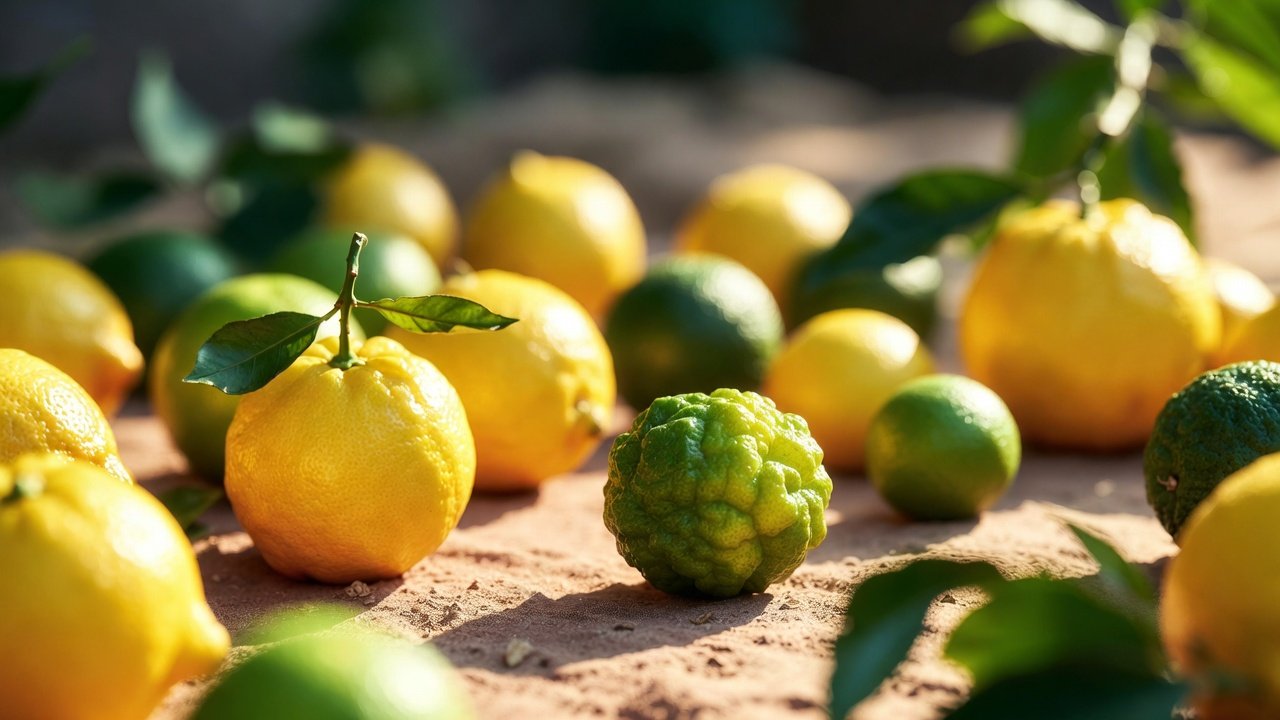
Makai Lemon Guide: Everything You Need to Know About This Unique Fruit
The world of citrus fruits is much larger than most people think. While many of us are used to seeing yellow lemons at the grocery store, there are many special varieties out there. One of the most interesting types is the makai lemon. This fruit stands out because of its unique look and the way it grows. Many people enjoy it for its refreshing juice and the bright scent it adds to a kitchen. If you are looking to try something new in your cooking, this fruit might be exactly what you need. It brings a tropical feeling to any meal or drink you prepare.
Understanding where your food comes from is a big part of eating healthy. The makai lemon is often grown in warm climates where it can get plenty of sunlight. Farmers take great care to make sure the trees stay hydrated and healthy. When you hold one of these lemons, you can feel the quality of the skin. It feels firm and full of life. Many chefs prefer using fresh ingredients like this because they provide a much better flavor than bottled juices. Adding a bit of fresh citrus can change a boring dish into a five-star meal very quickly.
Biography Table of Makai Lemon
| Feature | Details |
| Common Name | Makai Lemon |
| Fruit Type | Citrus |
| Origin | Tropical Regions |
| Skin Color | Bright Yellow |
| Taste Profile | Tart and Tangy |
| Main Use | Cooking and Beverages |
| Tree Height | 10 to 20 feet |
| Harvest Season | Year-round in warm areas |
What is a makai lemon exactly
A makai lemon is a specific type of citrus fruit known for its high juice content. Unlike some smaller lemons, this variety often grows quite large and heavy. The word makai sometimes refers to the sea or a specific direction in certain cultures. This suggests that the fruit thrives in coastal areas where the air is salty and warm. When you cut one open, you will see a pale yellow flesh that is very moist. It smells like a mix of traditional lemon and a hint of sweet orange. This makes it very popular for making lemonade or garnishing fish dishes.
How to identify a fresh makai lemon
When you are shopping, you want to find the best fruit possible. A fresh makai lemon should feel heavy for its size. This weight tells you that it is full of juice and not dried out. Look for skin that is smooth and bright yellow without any green spots. If the skin is bumpy, it might have a thicker rind, which means less juice inside. You can also give it a gentle squeeze. It should be firm but have a little bit of give. If it is too hard, it may not be ripe yet. If it is too soft, it might be starting to spoil.
The best climate for growing these trees
Growing a makai lemon tree requires a lot of patience and the right weather. These trees love the sun and need at least six hours of direct light every day. They do not like cold weather at all. If the temperature drops too low, the leaves might fall off or the fruit could freeze. People living in tropical or subtropical zones have the best luck with these plants. The soil needs to drain well so the roots do not sit in water for too long. Proper drainage keeps the tree strong and helps it produce fruit throughout the year.
Nutritional benefits of adding citrus to your diet
Eating a makai lemon is a great way to boost your health. Like most citrus fruits, it is packed with Vitamin C. This vitamin helps your body stay strong and fight off colds. It also contains antioxidants that protect your cells from damage. Many people find that drinking lemon water in the morning helps their digestion. It can make you feel more awake and refreshed without needing caffeine. Since it is low in calories, it is a perfect way to add flavor to food without adding extra fat or sugar. It is a natural gift for your body.
Using makai lemon in your daily cooking
There are so many ways to use a makai lemon in the kitchen. You can squeeze the juice over grilled chicken or seafood to bring out the natural flavors. The zest, which is the colorful outer part of the skin, is great for baking. You can add it to cake batter or cookie dough for a bright citrus kick. Some people even use the slices to infuse their water or tea. Because the flavor is so strong, a little bit goes a long way. It acts as a natural salt substitute for people who are trying to eat less sodium.
Creating refreshing drinks with fresh juice
Nothing beats a cold glass of juice on a hot summer day. Using a makai lemon to make homemade lemonade is a wonderful treat for the whole family. You simply mix the fresh juice with water and a little bit of honey or sugar. You can even add some mint leaves for extra freshness. If you want something fancy, you can mix the juice with sparkling water. This creates a healthy soda alternative that kids will love. It is much better than buying drinks from the store that have a lot of chemicals and artificial colors.
How to store your fruit to keep it fresh
If you buy several lemons at once, you need to store them correctly. If you leave a makai lemon on the counter, it will stay fresh for about a week. To make them last longer, you should put them in the refrigerator. Inside a sealed plastic bag, they can stay juicy for up to a month. If you only use half of a lemon, wrap the other half tightly in foil or plastic wrap. This prevents the exposed side from drying out in the fridge. You can also freeze the juice in ice cube trays to use later in recipes.
Common pests that affect citrus trees
Farmers and gardeners have to watch out for bugs that like the makai lemon tree. Aphids and mites are small insects that can suck the sap from the leaves. This makes the leaves curl up and look unhealthy. Some people use natural soapy water sprays to keep these pests away. It is important to check the underside of the leaves regularly. Healthy trees are better at fighting off pests than weak ones. Providing the right nutrients and enough water is the first step in pest control. This ensures that the fruit stays clean and safe to eat.
The history and origin of citrus varieties
The journey of citrus fruits like the makai lemon is very long. Most citrus plants started in Southeast Asia thousands of years ago. Travelers and traders carried the seeds across the ocean to new lands. Over time, different types were crossbred to create the varieties we have today. The makai lemon is a result of nature and human care working together. It represents a history of people wanting to grow food that is both beautiful and functional. Learning about this history helps us appreciate the food on our plates much more than before.
Why organic farming matters for citrus
Choosing an organic makai lemon can be a great choice for your family. Organic farming means that no harsh chemicals or synthetic fertilizers were used on the tree. This keeps the soil healthy and protects the local bees and birds. Many people believe that organic fruit tastes better because it grows at a natural pace. When you use the peel of a lemon for cooking, organic is especially important. You do not want any chemicals getting into your food. Supporting local organic farmers also helps the economy in your area stay strong and sustainable.
Conclusion and final thoughts
The makai lemon is truly a versatile and wonderful fruit. From its bright yellow color to its many health benefits, it is a star in the world of produce. Whether you are growing a tree in your backyard or just buying a few at the market, you are adding value to your life. It encourages us to cook more at home and experiment with fresh flavors. We hope this guide has helped you understand why this fruit is so special. Next time you see one, make sure to pick it up and enjoy all the goodness it has to offer.
Frequently Asked Questions
What does a makai lemon taste like?
A makai lemon has a very sharp and tangy taste. It is mostly sour but has a very clean and refreshing finish. It is less bitter than some other types of citrus.
Can I grow a makai lemon tree in a pot?
Yes, you can grow these trees in large containers if you have a sunny spot. Just make sure the pot has holes for water to drain out.
Is the skin of a makai lemon edible?
The outer yellow part called the zest is safe to eat and very flavorful. However, the white part under the skin can be quite bitter.
How much juice is in one makai lemon?
Because they are large, one fruit can often provide three to four tablespoons of juice. This is more than a standard small lemon.
When is the best time to pick the fruit?
You should pick the fruit when it is fully yellow and feels slightly heavy. If it is still green, it will not be as juicy or sweet.
Are makai lemons good for cleaning?
Yes, the acid in the juice is great for cleaning cutting boards or removing stains. It also leaves a very pleasant and natural scent behind.