What Long Runtime Means When Choosing a Pool Cleaning Machine
A pool cleaning machine is designed to simplify pool maintenance. Instead of spending time brushing surfaces and vacuuming debris manually, a robotic cleaner can move through the pool and remove dirt automatically. However, one specification that often gets overlooked is runtime.
Runtime refers to how long a pool cleaner can operate during a single cleaning cycle before it needs to recharge. While it may appear to be a simple number in product specifications, runtime directly affects cleaning coverage, efficiency, and convenience.
When choosing a pool cleaning machine, understanding the impact of runtime helps ensure the cleaner can perform its job effectively.
Typical Runtime of Pool Cleaning Machines
Most robotic pool cleaners operate for a limited amount of time during each cleaning cycle. Entry-level cordless models often run for about 45 to 90 minutes, while many advanced units operate for two to three hours per cycle.
These durations can be enough for smaller pools or light debris conditions. However, they may not always be sufficient for larger pools or more complex cleaning tasks.
Short runtime can cause several issues:
- Incomplete cleaning coverage
- Missed areas along walls or corners
- Multiple cleaning cycles required
Because of these limitations, runtime has become one of the most important factors when comparing modern robotic cleaners.
Why Longer Runtime Improves Cleaning Coverage
Pools contain many surfaces that need attention. These include the floor, walls, slopes, steps, and the waterline. Cleaning each area takes time.
If the cleaner stops before completing its route, debris may remain in certain sections of the pool. Corners and edges are especially likely to be missed.
Longer runtime allows the cleaner to:
- Travel across the entire pool surface
- Climb walls multiple times during the cycle
- Return to areas where debris settles
With more time available, the cleaning machine can complete its programmed navigation path and reach difficult areas that would otherwise remain dirty.
Large Pools Require More Operating Time
Pool size is one of the biggest factors that determines how much runtime is needed.
A small pool may only require a short cleaning cycle. In contrast, larger residential pools require more time for complete coverage.
In larger pools, the cleaner must travel longer distances and may need to revisit different zones. Debris can shift during the cleaning cycle due to water movement.
When runtime is longer, the cleaner can continue operating until the entire pool has been covered. This reduces the need to restart the machine for another cleaning session.
Long runtime also helps maintain consistent cleaning performance in pools with deeper sections or irregular shapes.
Runtime and Debris Collection Efficiency
Pool debris comes in many forms. Leaves, dust, sand, insects, and pollen may all collect inside the water.
When debris levels are high, the cleaner must move across the pool multiple times to remove everything. Short runtime may prevent the machine from finishing the job.
Longer operation allows the cleaner to continue filtering debris until the pool becomes visibly cleaner.
Some cleaning systems combine longer runtime with larger filter baskets. This combination reduces the chance of the machine stopping early due to a full filter.
In this way, runtime and debris capacity work together to improve cleaning results.
Fewer Interruptions and Less Charging
One of the main advantages of automated pool cleaners is convenience. However, machines with short runtime often require frequent recharging.
Repeated charging cycles can interrupt the cleaning process and reduce the overall convenience of automated pool maintenance.
Longer runtime allows a cleaner to operate through an entire cleaning cycle without interruption. This is particularly useful during peak swimming seasons when pools accumulate debris quickly.
For pool owners, this means less monitoring and fewer interruptions.
Support for Advanced Navigation Systems
Modern robotic cleaners often include intelligent navigation systems. These systems guide the cleaner through the pool in structured patterns rather than random movement.
Navigation algorithms help ensure the machine covers every section of the pool. However, these systems need enough time to complete their programmed routes.
When runtime is limited, the cleaner may stop before finishing its navigation pattern.
Long runtime allows the navigation system to complete its entire cleaning path. As a result, the pool receives more consistent cleaning coverage.
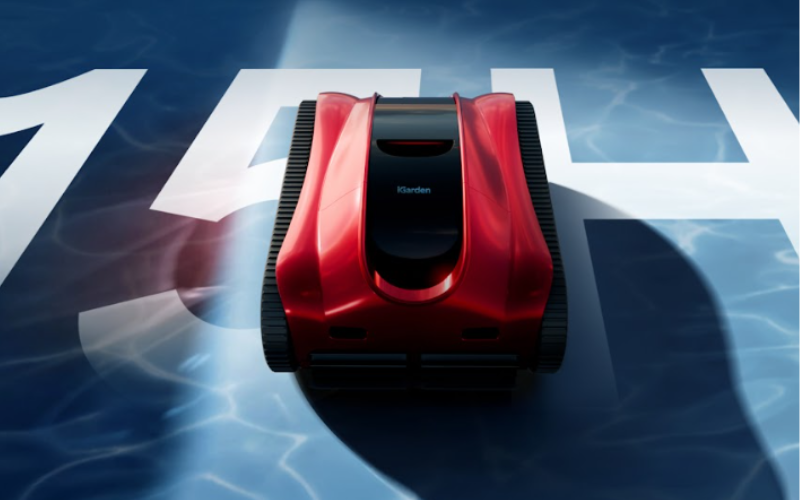
Some high-capacity cleaners can even operate for extremely long periods. For example, the iGarden Pool Cleaner can offer up to 15 hours of runtime in certain cleaning modes, which is far longer than the runtime found in most robotic cleaners.
Extended runtime like this can support long cleaning cycles and reduce the need for frequent charging.
Better Cleaning of Walls and Waterlines
Another advantage of longer runtime is improved vertical cleaning.
Pool walls and waterlines often collect oils, sunscreen residue, and algae. These surfaces require both climbing ability and scrubbing time.
If runtime is too short, the cleaner may spend most of its cycle on the pool floor and never reach the waterline.
Longer runtime ensures that the cleaner can repeatedly climb walls and scrub the upper surfaces of the pool. This helps prevent stains and buildup.
Because waterline debris tends to accumulate quickly, regular cleaning cycles with sufficient runtime are important for maintaining clear pool surfaces.
Convenience for Everyday Pool Ownership
A pool should be a place for relaxation. Constant maintenance can take away from that experience.
Pool cleaners with extended runtime simplify everyday maintenance in several ways:
- They require fewer cleaning sessions
- They reduce manual intervention
- They complete full cleaning cycles automatically
For busy households, this convenience makes a significant difference.
Instead of monitoring the cleaner frequently, pool owners can start the machine and allow it to complete the entire cleaning process.
Choosing the Right Runtime for Your Pool
When comparing pool cleaning machines, runtime should be evaluated alongside other features such as navigation, suction power, and filter capacity.
However, runtime often determines how effectively these features can be used.
A cleaner with strong brushes and smart navigation may still struggle if it does not have enough operating time to complete the cleaning cycle.
For this reason, pool owners should consider:
- Pool size
- Pool shape
- Typical debris levels
- Desired cleaning frequency
These factors help determine how much runtime is needed for reliable performance.
A Key Factor in Reliable Pool Cleaning
Runtime is more than just a technical specification. It directly influences how well a pool cleaning machine performs its job.
Longer runtime allows the cleaner to travel farther, remove more debris, and reach difficult areas such as walls and waterlines. It also reduces interruptions and makes automated cleaning more convenient.
When these benefits combine with strong navigation and efficient filtration, the result is a cleaner pool with less manual effort.
For pool owners looking for reliable and convenient maintenance, choosing a pool cleaning machine with sufficient runtime can make a noticeable difference in everyday pool care.